intermediate10 min read
When to Exit a Trade
#exit#target#trailing-stop
When to Exit a Trade
In one line: You only win or lose when you exit — so plan the exit before you enter.
🎯 What you'll learn
- Why the exit matters more than the entry.
- The three honest reasons to leave a trade.
- How to trail a stop to protect profit.
- How to book part of your profit and let the rest run.
📘 Key concepts
Why exits matter more than entries
Buying is only a promise. Selling is the truth.
- Your profit or loss is only real when you exit (close the trade).
- Until you exit, it is just a number on the screen. It can change.
- Like a shop: you buy stock to sell it. The sale is what pays you, not the buying.
- So decide your exit plan before you enter. Never after.
The three honest reasons to exit
Exit for one of these reasons — not because you feel scared or greedy.
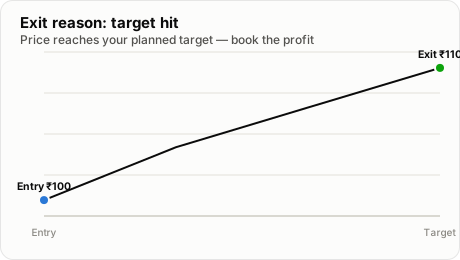
- Target hit — your target (the price where you planned to take profit) is reached. Book it.
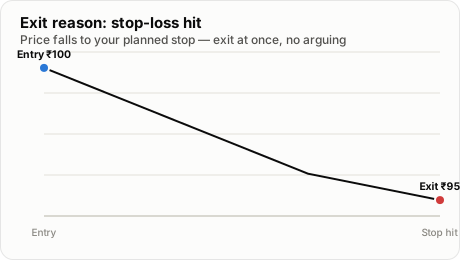
- Stop-loss hit — your stop-loss (the price where you accept the trade failed and cut the loss) is reached. Exit at once. No arguing.
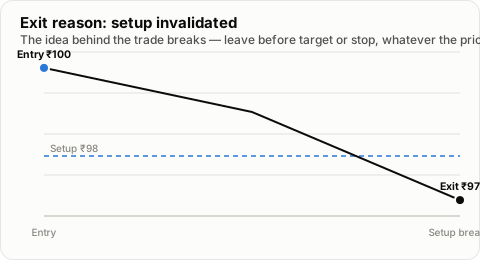
- Setup invalidated — the reason you entered is gone (the setup is your entry idea, like "price broke above a level"). If the idea breaks, leave, even before target or stop.
Trailing stop — lock in profit while you let it run
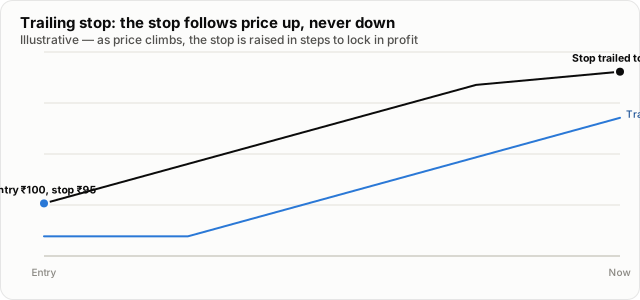
A trailing stop is a stop-loss you move up as the price rises.
- As price climbs, raise your stop to follow it.
- This locks in some profit but still gives the trade room to grow.
- Think of a cricket fielder walking forward as the batsman scores — closer, but still guarding.
- Golden rule: you only move a stop up (to protect gains). Never move it down or further away.
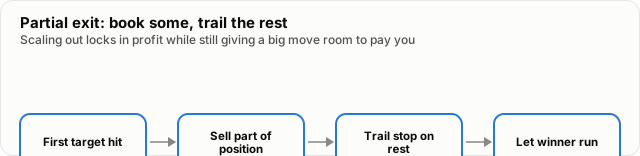
Partial exit (scaling out)
You do not have to sell all your shares at once.
- Book some profit at the first target. This is your safe money.
- Trail the stop on the rest, so a big move can still reward you.
- This calms your mind — you have already "won" a little.
🔍 Example
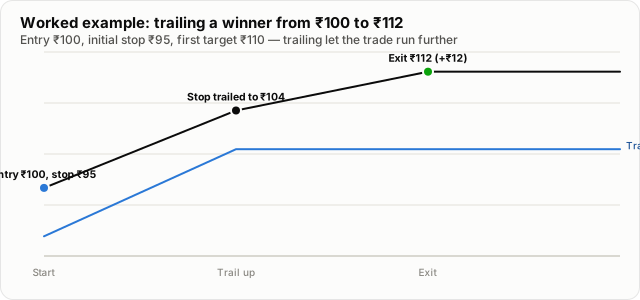
You buy a share at 100. You plan first:
- Entry: ₹100
- Stop-loss: ₹95 (risk = ₹5)
- Target: ₹110 (reward = ₹10)
Now watch what happens:
- Price rises to ₹108. You trail your stop up to ₹104.
- Now, even if price falls back, you keep about ₹4 profit. You cannot lose here.
- Price runs on to ₹112. You exit. You made ₹12, more than your first ₹10 target.
- Because you trailed, the winner was allowed to grow.
⚠️ Common mistakes
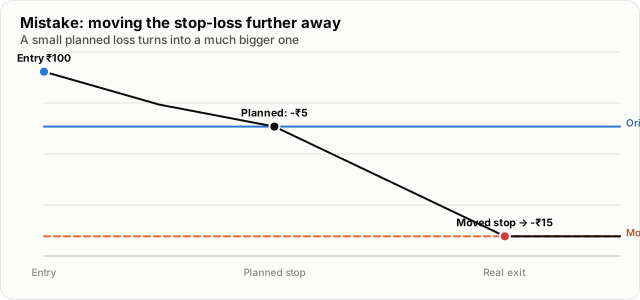
- Moving the stop-loss further away to avoid taking a loss. This turns a small loss into a big one.
- Exiting a winner too early out of fear, then watching it climb without you.
- Having no target or stop — just "hoping". Hope is not a plan.
- Holding a losing trade because "it will come back". Sometimes it does not.
- Deciding the exit after you enter, when emotion is high and thinking is poor.
✅ Key takeaways
- Profit and loss become real only at the exit.
- Exit for one of three reasons: target hit, stop hit, or setup broken.
- Trail your stop upward to lock profit and let winners run.
- Book part of the profit early, trail the rest.
- Never move a stop-loss further from your entry.
📝 Quick check
- Q: What are the three honest reasons to exit a trade? A: Target hit, stop-loss hit, or the setup (your entry reason) is invalidated.
- Q: In which direction may you move a trailing stop? A: Only up, to protect profit — never further away.
- Q: Why book a partial exit at the first target? A: It secures some safe profit while the rest can keep running.
📖 New words
- Exit — closing a trade by selling (or buying back), making the profit or loss real.
- Target — the price where you plan to take profit.
- Stop-loss — the price where you accept the trade failed and cut the loss.
- Setup — the specific reason or pattern that made you enter.
- Trailing stop — a stop-loss you move up as price rises to protect gains.
- Scaling out (partial exit) — selling part of your position and keeping the rest.
Educational content only — not financial advice. Trading involves the risk of losing money.